As temperatures rise, so does ant activity, but it’s not random. To understand why ants suddenly seem to invade our homes and gardens every year, we need to look at how ants’ function biologically.
Temperature: The Trigger for Activity
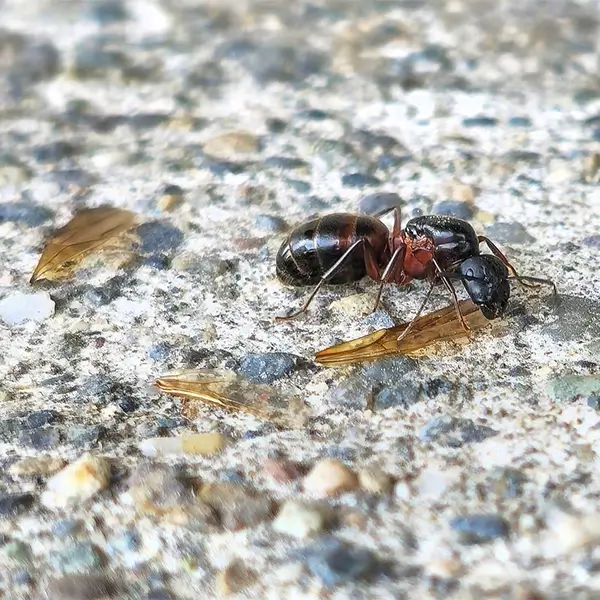
Ants are ectothermic, meaning they rely on external temperatures to regulate their body heat. In cooler weather, they enter a dormant state called diapause, conserving energy until conditions improve. As spring arrives and temperatures climb into the optimal range (77°F–95°F), ants become highly active foraging, reproducing, and expanding their colonies.
However, extreme heat (above 104°F) can force them to relocate in search of better shelter, sometimes into our homes. Warmer temperatures reactivate ant colonies, signaling them to begin their search for food, water, and shelter.
This seasonal change aligns perfectly with the availability of food sources in spring and summer, increasing the likelihood of ant activity around your home.
In addition to food and water, ants may also seek out shaded or moist environments during these warmer months. Mulch beds, baseboards, under sinks, and even potted plants can provide ideal microclimates for their colonies, making it essential to address both indoor and outdoor attractants.
Nutrition: Fuel for the Colony
Spring also means blooming plants and active insect populations, a buffet for omnivorous ants. Nectar, seeds, fruit, and even other insects become targets as ants hunt and store food for their colony. This surge in available nutrition boosts their activity even further. The abundance of sugars and proteins found in nature and in your kitchen can lead ants straight into your pantry. They are especially drawn to sweet, greasy, and protein-rich items.
Outdoor food sources can be just as tempting. Pet food bowls, bird seed, compost piles, and even barbecue grills can attract ants looking for an easy meal. Keeping these areas clean and sealed can significantly reduce the chances of an ant invasion.
Pheromones: How Ants Coordinate Their Movements
Ants operate as a highly organized unit thanks to pheromones, chemical signals they release to communicate. These invisible trails allow ants to mark food sources, signal danger, and guide others along efficient paths.
Over time, these trails can become permanent routes, with future generations following the same successful patterns. That’s why you may see ants return to the exact same locations each year, it’s no coincidence, its colony memory passed down like a well-worn map for survival.
What You Can Do About It
Spring and Summer ant activity is a natural part of the season, but that doesn’t mean you have to tolerate it in your home. Take steps early and act quickly to prevent infestations:
- Seal entry points
- Clean up crumbs and spills
- Store food in airtight containers
- Monitor for signs of activity
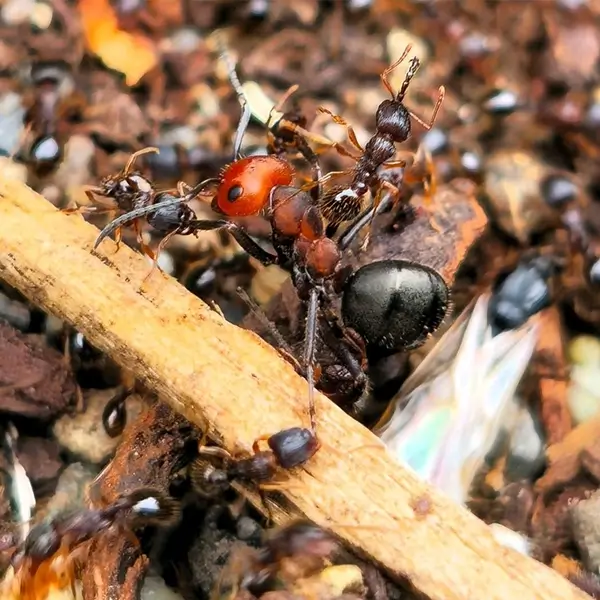
When Spring arrives, ants respond with explosive activity fueled by heat, hunger, and instinct. Watch for scouts, single ants exploring your counters or floors. They’re the first sign of a potential colony trying to establish in or near your home.
When to Call for Professional Help
If you notice persistent ant trails or activity near your foundation, it’s time to call in a professional. Rambo Total Pest Control provides thorough inspections, targeted treatments, and long-term prevention strategies.
After all, Rambo’s got ‘em on the run!