As winter begins to loosen its grip on the Pacific Northwest, many homeowners start to notice something unexpected inside their homes: insects that seem to appear out of nowhere.
You might see a stink bug crawling slowly across the ceiling, a cluster fly buzzing lazily against a window, or a lady beetle resting near a warm light fixture. These insects didn’t suddenly invade your home overnight. In most cases, they’ve actually been there the entire winter.
Homeowners across Puyallup, Tacoma, Seattle, and surrounding areas experience this seasonal shift every year. Many insects in our region survive the colder months through a process known as overwintering, where they seek shelter in protected spaces to wait out the cold until temperatures rise again.
Unfortunately, the protected spaces they prefer often happen to be our homes, garages, crawlspaces, and attics.
What Does “Overwintering” Mean?
Overwintering is simply a survival strategy. Instead of remaining active during cold weather, certain insects enter a dormant or semi-dormant state and hide in areas that stay dry and relatively stable in temperature.
In the Pacific Northwest, structures provide the perfect environment for this. Small gaps around siding, attic vents, rooflines, window frames, and foundation openings allow insects to slip inside during the fall months.
Once inside, they remain hidden in wall voids, attics, insulation, and other quiet areas of the structure.
Why You’re Seeing These Pests in Spring
As temperatures begin to rise and sunlight warms exterior walls, these overwintering insects become active again.
They instinctively move toward light, which is why they often appear around windows, ceilings, and light fixtures.
This is when homeowners in Tacoma, Puyallup, and nearby areas start noticing what feels like a sudden pest problem, even though the insects have been inside the entire time.
Common Overwintering Pests in the Pacific Northwest
Several pests are well known for using homes as winter shelter.
Brown Marmorated Stink Bugs
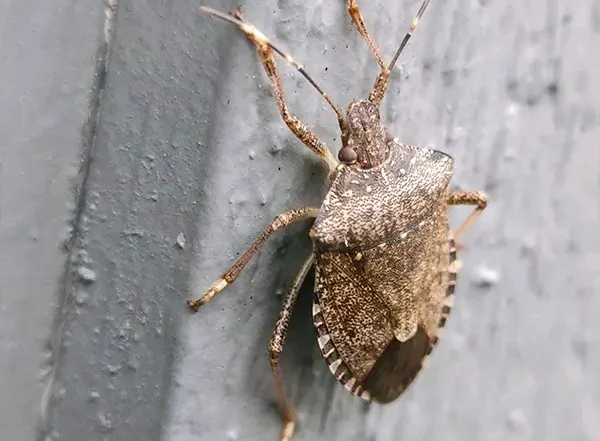
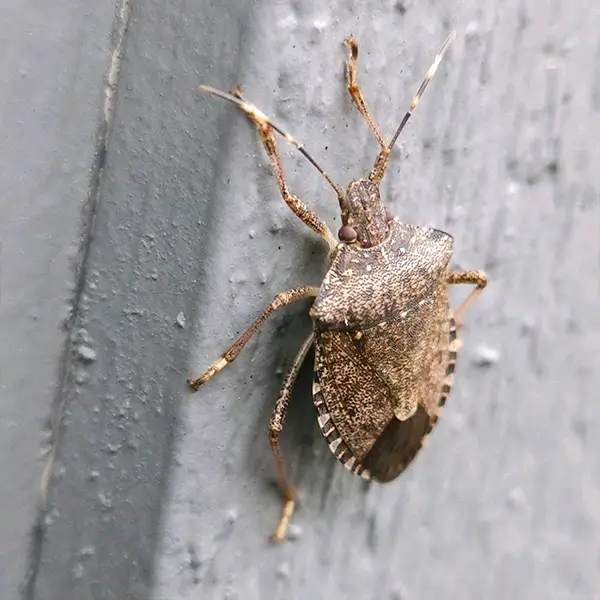
Brown marmorated stink bugs have become increasingly common in the Pacific Northwest. During the fall, they actively search for protected areas to spend the winter.
Once inside wall voids or attics, they remain mostly inactive until warmer weather returns. In early spring, homeowners often find them crawling slowly across walls or gathering near windows as they attempt to return outdoors.
As their name suggests, they can release a strong odor if crushed or disturbed.
Cluster Flies
Cluster flies are another frequent overwintering pest. Unlike house flies, these insects develop as parasites of earthworms during their larval stage.
In the fall, adult cluster flies gather in large numbers and enter structures to overwinter. They often hide in attics, wall voids, and spaces near rooflines.
When temperatures warm up, they become active again and start flying toward light sources, which is why homeowners commonly notice them buzzing around windows on sunny spring days.
Lady Beetles (Ladybugs)
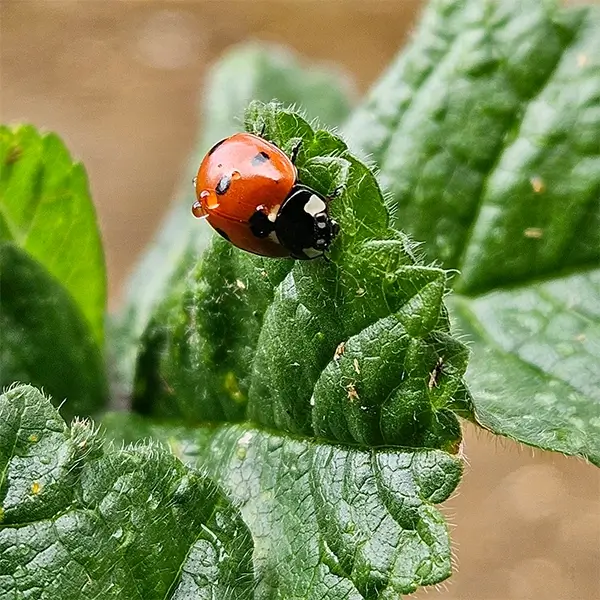
While many people think of lady beetles as beneficial garden insects, certain species, particularly the Asian lady beetle, frequently overwinter inside homes.
These insects often gather in large numbers in wall voids or attic spaces. When spring temperatures rise, they begin emerging and can appear in surprising numbers around windows and ceilings.
Although they don’t cause structural damage, they can become a nuisance when large numbers gather indoors.
Overwintering Wasp Queens
Some of the most important overwintering insects are future colony founders.
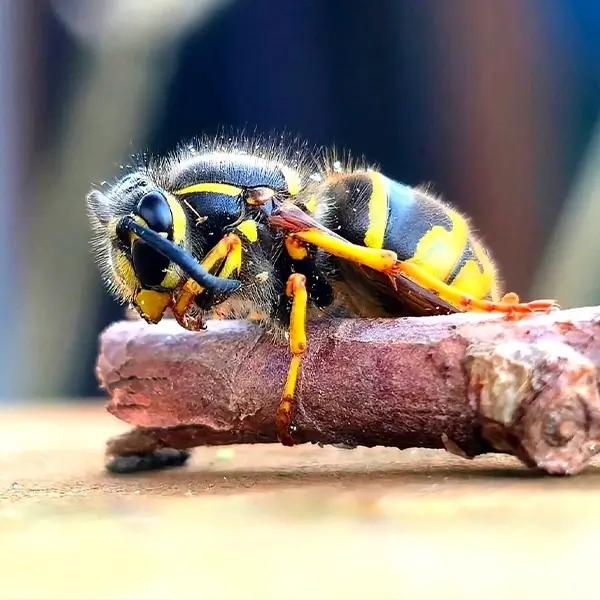
Queens of certain species, including yellowjackets, paper wasps, and some ant species, spend the winter hidden in protected locations like bark, soil, sheds, crawlspaces, or attic spaces.
When spring arrives, these queens emerge and begin searching for suitable places to start new nests. This is why early spring is often when homeowners begin seeing the first wasps or ants of the season.
Stopping these queens early can prevent much larger pest problems later in the year.
How to Prevent Overwintering Pests
The best time to prevent overwintering pests is actually late summer and early fall, when insects begin searching for winter shelter.
However, there are still several things homeowners can do year-round to reduce the chances of insects entering the structure:
Professional exterior treatments can also help reduce the number of insects attempting to enter structures before winter.
When to Call a Pest Control Professional
If you’re seeing large numbers of stink bugs, cluster flies, or lady beetles inside your home this spring, it’s often a sign they’ve already established overwintering spots within the structure.
A professional inspection can help identify where pests are entering and what steps can be taken to prevent the issue moving forward.
Stop Spring Pest Problems Before They Start
While seeing insects indoors during the spring can be unpleasant, the good news is that most overwintering pests do not reproduce inside the home. They are simply trying to find their way back outside after spending the winter sheltered inside the structure.
That said, large numbers of these pests can still be frustrating, and preventing them from entering in the first place is the most effective long-term solution.
If you’re seeing a noticeable increase in stink bugs, cluster flies, lady beetles, or other emerging insects inside your home this spring, now is the time to take action. A professional inspection can help identify entry points, reduce current activity, and prevent the same issue next season.
Schedule your pest inspection today to stay ahead of spring pest activity!