Many people assume winter naturally wipes out insect populations each year. Cold weather certainly slows things down, but when winter temperatures are milder than usual, it can have the opposite effect—especially when it comes to pest control services.
Cold Weather Normally Helps Keep Pests in Check
Over the years the Pacific Northwest has experienced warmer and shorter winter cycles. The periods of freezing temperatures seem to grow shorter and shorter and as a result, many insect populations are surviving at higher rates than they normally would. The longer milder Falls also allows for longer breeding cycles for some pests like rodents, who will normally cease breeding cycles during harsh winters.
Extended periods of freezing temperatures act as a natural population control for many pests. When cold conditions last long enough, they can reduce the number of insects that survive into the following season.
Even a few degrees difference in average seasonal temperatures can make a noticeable impact on pest populations.
Overwintering Pests Get a Head Start
Many pests in our region survive winter by overwintering, hiding in protected places like soil, tree bark, crawlspaces, wall voids, or attic spaces.
When winter temperatures stay relatively stable and mild, these insects can survive in greater numbers. As soon as warmer weather returns, they emerge and begin feeding and reproducing sooner than usual.
Some pests that may become more active after mild winters include:
- Ants
- Wasps and yellowjackets
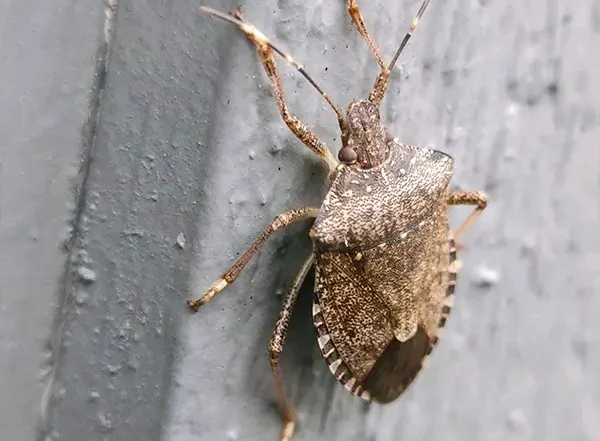
- Stink bugs
- Cluster flies
- Mosquitoes
- Spiders and other predatory insects
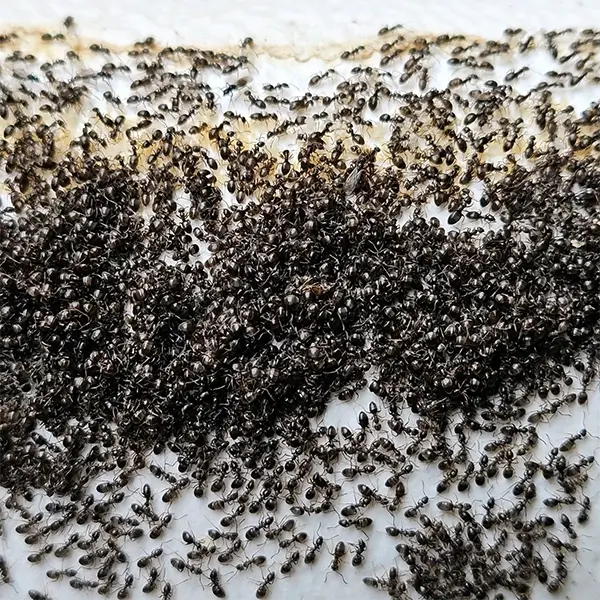
Queens of social insects like yellowjackets and ants are particularly important. If more queens survive the winter, it can mean more nests being established during the spring and summer.
Changing Weather Patterns Can Also Play a Role
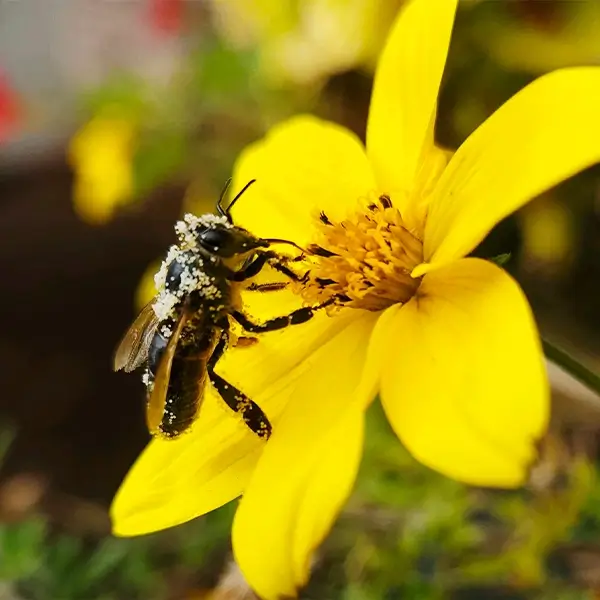
In addition to mild winters, shifting weather patterns can influence pest activity throughout the year.
Periods of warmer early spring temperatures, followed by moisture and plant growth, create ideal conditions for insects to thrive. More food sources, longer active seasons, and favorable breeding conditions all contribute to population increases.
For homeowners, this can translate into earlier pest sightings and larger numbers of insects around homes and businesses.
What Homeowners Should Expect
If we experience a mild winter, it’s not unusual to see:
- Earlier ant activity indoors
- Increased wasp sightings in spring
- Higher mosquito activity as temperatures warm
- More overwintering insects emerging inside structures
While these patterns vary from year to year, mild winters often lead to more noticeable pest pressure throughout the following season.
Staying Ahead of Seasonal Pest Activity
The best way to manage seasonal pest pressure is to address issues early before populations build.
Regular exterior inspections, sealing potential entry points, and preventative treatments can significantly reduce the likelihood of pests establishing themselves around a home.
If you’re noticing early pest activity around your home, it may be time to schedule an inspection before problems escalate. Our team works with homeowners across the Pacific Northwest to stay ahead of seasonal pest changes.