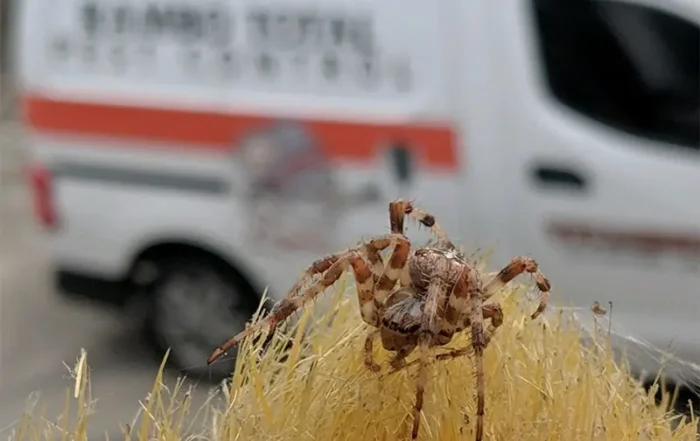
Many of our clients, and honestly most people in general, have a degree of fear of spiders. And although arachnophobia is common, most spiders in Western Washington pose little threat to humans. Most prefer to retreat when disturbed, and bites are uncommon. While the fear is understandable, the actual danger is often greatly exaggerated. If that’s something you experience, or if you are just curious about spiders, this exploration on the topic might be right for you. If you’re more worried about keeping spiders out of the house, we cover that in our guide to what homeowners should know about Pacific Northwest spiders.
Why Local Spiders Deserve a Second Look
Spiders are an incredibly diverse group of arachnids that have developed specialized hunting strategies to capture a wide variety of prey. Their contributions to our environment are both impressive and invaluable.
Consider some of the insects you encounter. Common flies can spread disease by traveling from excrement and garbage to the food we eat. Mosquitoes and other blood-feeding insects can transmit dangerous illnesses, while wood-destroying insects can cause extensive damage to your property. Managing these pests is essential to protecting people, pets, and property.
Pest Management Professionals work to reduce unwanted pest populations, but nature has its own pest control specialists working around the clock, free of charge. Among them are those eight-legged creatures that often send people running: spiders.
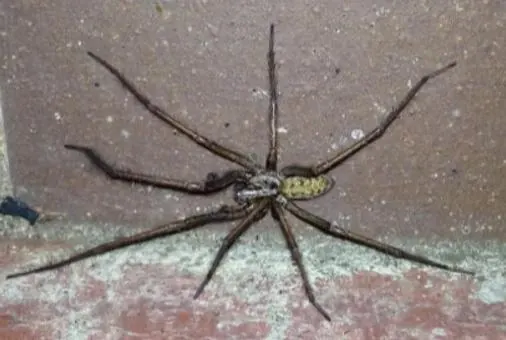
As someone living in the Pacific Northwest, when you think of spiders, funnel weavers frequently come to mind, particularly the Giant House Spider (Eratigena duellica) and Hobo Spider (Eratigena agrestis). Known for their impressive size and speed, these spiders have developed an intimidating reputation. Hobo spiders, in particular, have historically been blamed for dangerous, necrotic bites, a claim that scientific research has repeatedly failed to substantiate.
Unfortunately, sensationalized stories about a handful of species often overshadow the incredible diversity of spiders. However, if you look beyond their intimidating appearance, you’ll discover a fascinating group of animals that deserve far more appreciation and respect than fear.
Funnel Weavers: Giant House, Hobo, and Barn Funnel Weaver Spiders
The Giant House Spider lives up to its name with its impressive size. We’ve even had clients who moved to Washington from other parts of the country insist they spotted a tarantula running across their living room! Despite their intimidating appearance, these spiders pose very little threat to humans.
Giant House Spiders, Hobo Spiders, and Barn Funnel Weavers all construct distinctive funnel-shaped webs. They retreat into the funnel while waiting for unsuspecting insects to wander onto the surrounding web.
These three species look remarkably similar and often require close examination to distinguish. Fortunately, identifying them simply as funnel weavers is sufficient in most situations. None are considered medically significant, and bites are uncommon, typically causing only mild, localized symptoms.
Orb Weavers
Orb weavers are plentiful in Washington during the late summer and fall seasons. And some of them can get quite large!
Like many other spider groups, orb weavers include a large number of species, often with distinct patterns and behaviors.
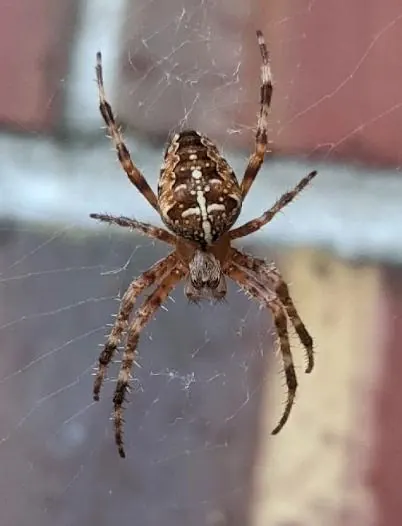
Cross Orb Weaver
The Cross Orb Weaver, Araneus diadematus, is well known for its impressive orb web and cross-like pattern on the abdomen. Every fall season, thousands of Washingtonians walk into their webs and are instantly transformed into well trained and skilled ninjas. Well, maybe well trained is not an accurate statement….
These spiders are considered nuisance pests and not medically significant.
Western Spotted Orb Weaver
The Western Spotted Orb Weaver, Neoscona oaxacensis, boasts impressive coloration. Even if you don’t appreciate spiders, it is difficult not to admire the vibrant and distinct patterns.
The Western Spotted Orb Weaver has four very notable spots on the underside of the abdomen.
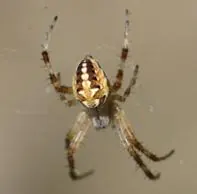
Cyclosa conica
The Cross Orb Weaver, Araneus diadematus, is well known for its impressive orb web and cross-like pattern on the abdomen. Every fall season, thousands of Washingtonians walk into their webs and are instantly transformed into well trained and skilled ninjas. Well, maybe well trained is not an accurate statement….
These spiders are considered nuisance pests and not medically significant.
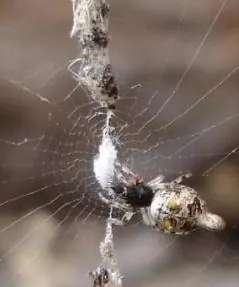
Hacklemesh Weavers (Callobius)
The Callobius species is a genus of spiders without a widely used common name. These hacklemesh weavers typically construct tangled webs in crevices, often beneath tree bark, to trap unsuspecting insects before pouncing on them.
Callobius spiders are commonly recognized by the reddish-orange coloring of their cephalothorax (the fused head and thorax) and legs.
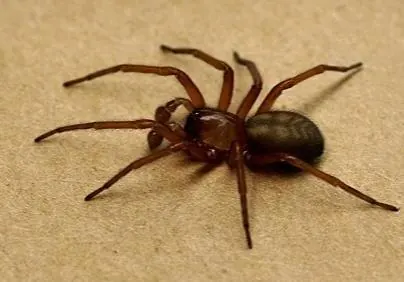
Other Spiders You Might Spot Around Your Home
Ghost Spiders
Ghost spiders (Anyphaena species) are pale, wandering spiders. Their hunting grounds are foliage and leaf litter.
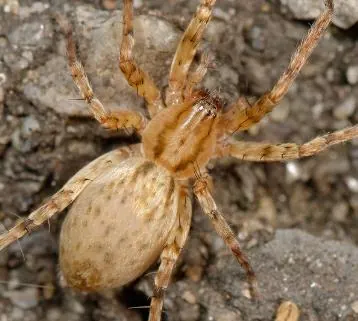
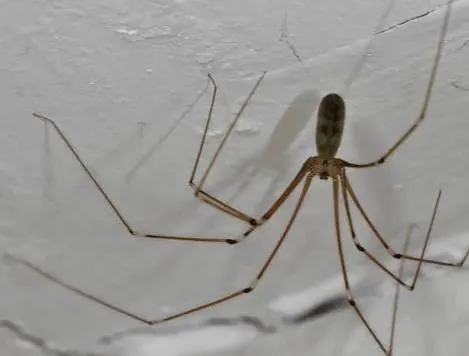
Cellar Spiders
Cellar spiders are delicate, long-legged spiders known for their messy, irregular webs. They prefer dark, undisturbed areas of homes, such as crawlspaces, garage corners, unfinished basements, and seldom-used bathrooms, particularly where moisture is present. If you notice a sudden increase in cellar spiders, it usually means they’ve found more to eat, which can sometimes point to a moisture problem.
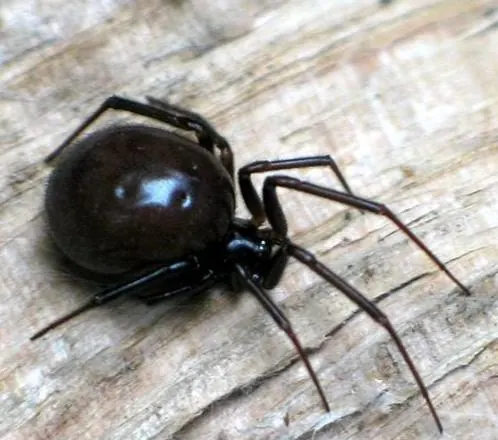
False Black Widows
False Black Widows closely resemble their more infamous relatives, with similar body shapes and coloring ranging from brown to glossy black. However, they lack the distinctive red markings of true Black Widows, and their bites are not considered medically significant.
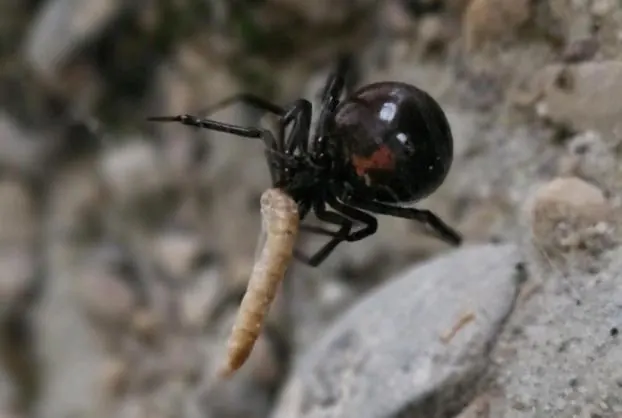
Black Widows
Black Widows are found in Western Washington, although they are relatively uncommon. Despite their fearsome reputation, bites are rarely fatal but can be extremely painful and may require medical attention. Fortunately, these spiders are naturally shy and prefer to avoid confrontation. Still, it’s best not to tempt fate!
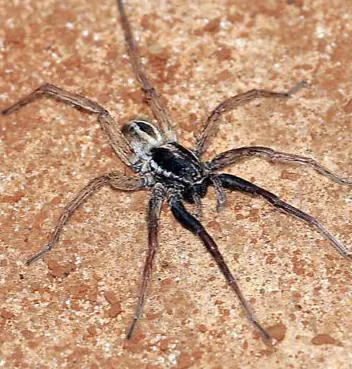
Wolf Spiders
Wolf spiders belong to the family Lycosidae and are active ground hunters. Rather than relying on webs to capture prey, they actively pursue their meals.
Female wolf spiders carry their egg sacs attached to their spinnerets. Once hatched, the spiderlings ride on their mother’s back. Who said a spider can’t have a seriously strong maternal instinct?! It usually takes a week or so before the spiderlings disperse to begin working on a life of their own.
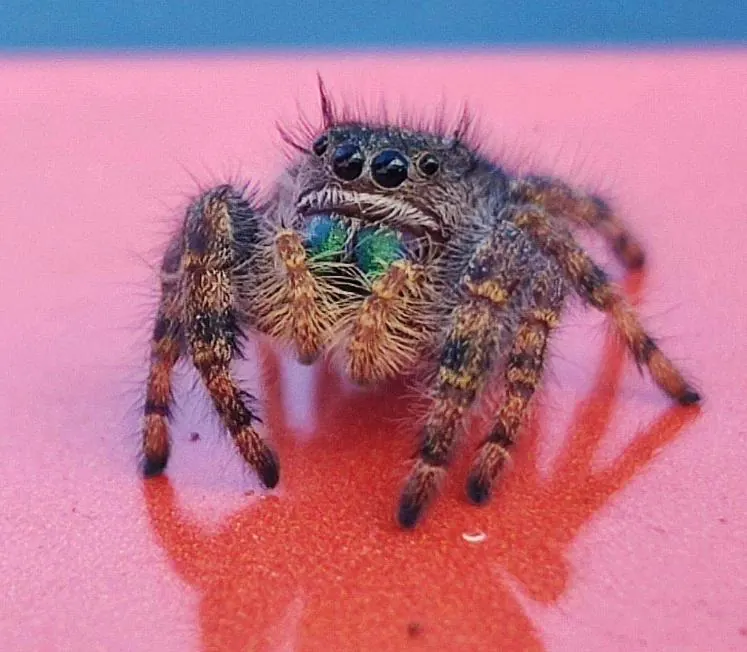
Jumping Spiders
Jumping spiders often appear curious, popping up to observe their surroundings and tilting their bodies much like a confused dog hearing a bag crinkle.
These small spiders are among the least intimidating to people who are generally uncomfortable with spiders.
Jumping spiders are active hunters, known for their speed, impressive vision, and remarkable ability to stalk and pounce on prey with precision.
Ground Spiders
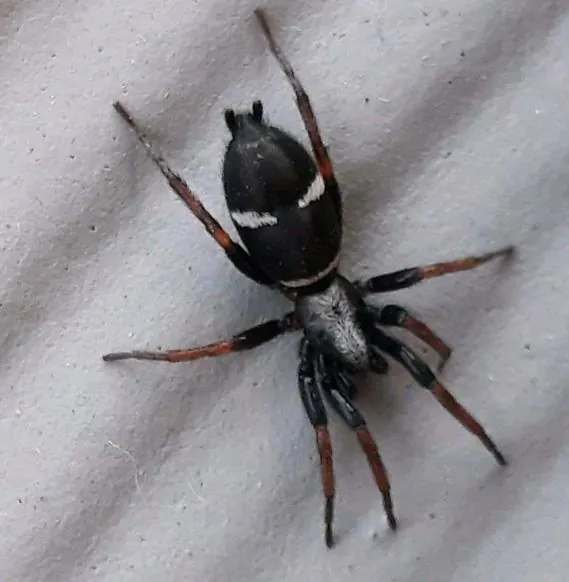
Gnaphosidae (stealthy ground spiders) are a family of ground-dwelling spiders with distinctive physical characteristics. Ground-hunting spiders belong to several different families, which are classifications used to group spiders based on shared traits and behaviors.
Sheet Web Spiders
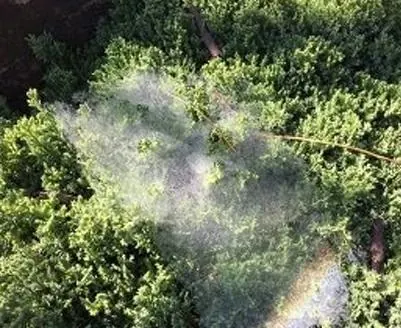
For our final spider spotlight, you may have noticed dense, sheet-like webs covering shrubs and other vegetation. While they aren’t always aesthetically pleasing, these webs are often the work of sheet web spiders, which help protect plants by capturing harmful insects.
These fascinating spiders typically hide beneath their webs, biting prey through the silk before pulling it underneath to feed.
Some species even communicate through vibrations and sounds produced by rubbing their mouthparts against the web! So if you weren’t thinking it before, I’m sorry to inform you that yes, your neighbors are probably talking about you behind your back. Just not the neighbors you were thinking about.
Give Spiders a Little Credit
With so many spider species, learning about them all could take more than a single lifetime. These fascinating creatures provide invaluable benefits to our environment. And even though they might still creep you out, hopefully it shows just how diverse they are. If you choose to continue learning more about them, it may help alleviate some of the fear and replace it with a degree of respect.
My advice? Control what needs controlling, which often means addressing the insects and other pests that attract spiders in the first place. Whenever possible, leave harmless spiders undisturbed, especially those outside your home. Because the overwhelming majority are working year-round, free of charge, to help protect your home, health, and property. Give them a little credit!
Most of the spiders around your home are on your side. But if they’re setting up shop inside, it usually means they’ve found a steady food supply. Our team can track down what’s drawing them in and help you take care of it, so the helpful ones can keep working outside where they belong. Give our office a call at (253) 848-6000.