The cold, damp weather of winter in Western Washington can bring out pests that many people would rather not share their homes with. From spiders tucked away in a dark closet to rats hiding in a crawlspace, winter conditions across the Pacific Northwest create the perfect scenario for indoor pest activity. Warmth is certainly a factor for many of them, but it’s not the only reason they show up. Like all living things, pests require specific conditions to survive.
So what are those conditions—and how do we combat these unwanted guests?
Why Winter Pests Move Indoors in the Pacific Northwest
Western Washington winters are uniquely wet and cold. Soil temperatures drop, food sources become scarce, and heavy rain drives pests away from outdoor nesting areas.
To survive, pests look for:
- Warmth
- Dry shelter
- Reliable food sources
Homes provide insulated walls, attics, crawlspaces, and storage areas that stay more temperature-stable than the outside environment. Once inside, pests often remain active all winter long.
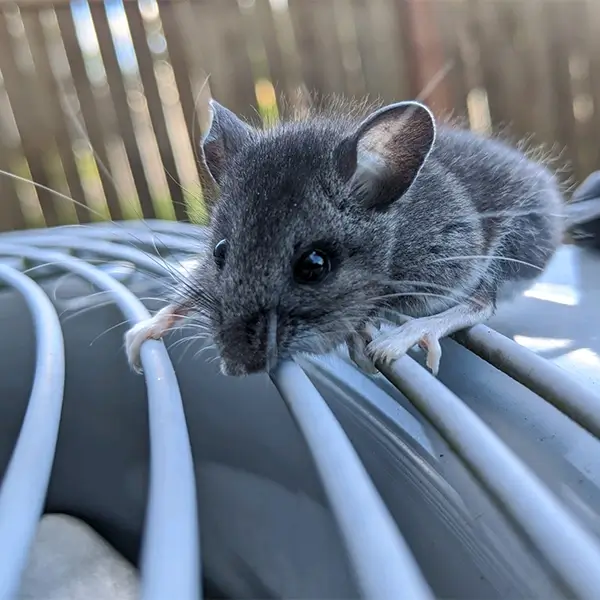
Rodents in Winter
Just like any mammal, rodents are warm-blooded. This means that in colder weather, they will seek out warm shelter to nestle into to escape the frigid air and ensure their survival. Unfortunately, for homeowners across Western Washington, that shelter often becomes our homes.
Despite being neophobic (afraid of new things), rodents are still willing to share space with humans because of the heat our structures provide. Many rodent species live in burrows, and during the winter the cold ground can quickly drain their body heat.
Their alternative? A structure designed to retain warmth.
Signs of Winter Rodent Activity
There are several indicators that you may have a rodent tenant who isn’t paying rent:
In the Pacific Northwest, crawlspaces and attic areas are especially vulnerable during winter months due to moisture and temperature contrast.
Because rodents are highly neophobic, effective control often requires more than setting a trap. Proper inspection, exclusion, and monitoring are key to long-term success.
Spiders in Winter
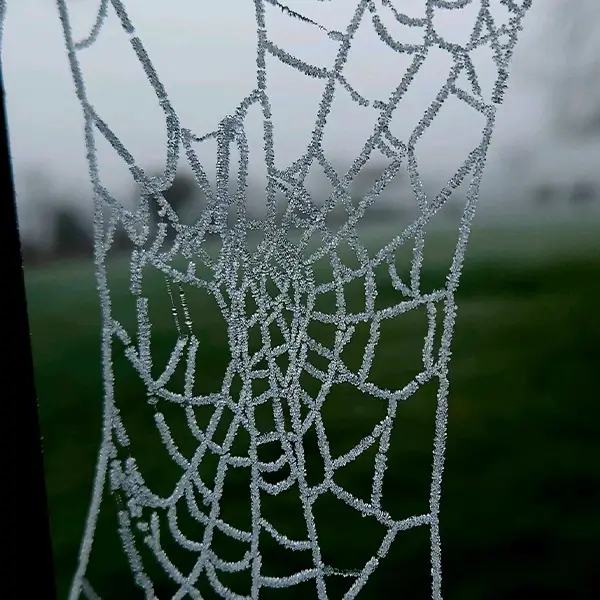
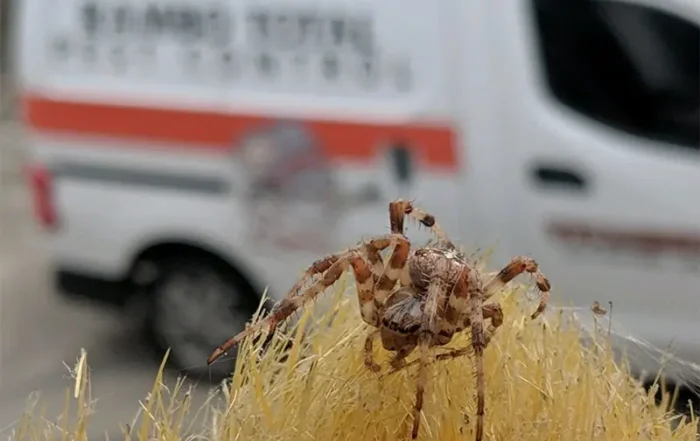
In contrast to rodents, many spiders are cold-blooded. Still, like any other creature, they are also searching for warm shelter and a reliable food source.
During colder months in Western Washington, various insects may migrate indoors to escape rain and dropping temperatures. This movement provides spiders with an ideal feeding opportunity.
If you’re noticing insects inside your home during winter, it may also indicate that a spider or two has settled into a dark, cluttered, or unused area of the home. These spaces allow them to remain undisturbed while they wait for prey.
While spiders are most noticeable during August and September, many will remain tucked away indoors throughout the colder months if the issue is not addressed. Reducing clutter and removing pet waste around the home and yard can be an effective starting point for discouraging spider activity.
Prevention is Your Best Defense
Early prevention is the strongest defense against these types of pests. Simple proactive steps include:
However, once pests are inside, control can take time.
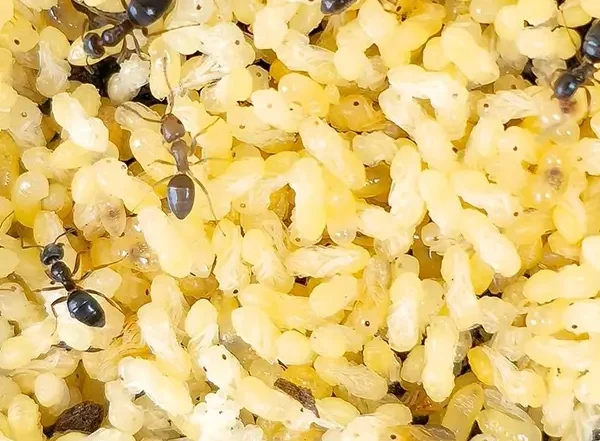
Rodents are cautious and slow to interact with new control measures. Spiders are solitary creatures, unlike social insects such as ants, which means their activity may be isolated but persistent.
Because of these behaviors, professional pest management often includes inspection, targeted treatment, and ongoing prevention strategies rather than a one-time fix.
When to Call a Professional
If you begin noticing signs of rodent or spider activity during winter, it’s best to act sooner rather than later. Professional pest control across Western Washington focuses not just on removing pests, but on identifying how they entered and preventing future issues.
Rodents can reproduce quickly and cause structural damage. Spiders may signal an underlying insect issue that needs attention. The sooner action is taken, the easier it is to restore pest-free living.
Contact us today and we can help get your winter pest problem under control. After all, we don’t say “Rambo’s got ’em on the run” for nothing!